Monkey Head Embroidery Design: A Designer's Real-World Review
When I first opened the Monkey Head file, my initial reaction wasn't about technical specs or stitch counts. It was about the mood. There is a specific kind of whimsy that can either elevate a handmade product or make it look like a cheap novelty item. This design lands somewhere in the sweet spot. It feels playful without being childish, and it has enough visual personality to stand out on a shelf next to hundreds of other embroidered goods. As someone who spends hours evaluating designs for client projects and my own boutique line, I am always looking for pieces that offer versatility and charm. Monkey Head delivers exactly that.
The First Impression: Personality in a Single Stitch
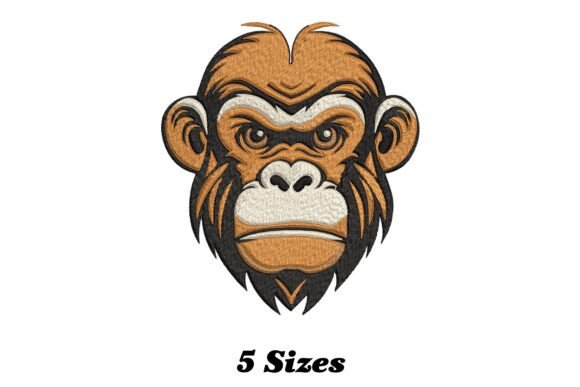
The layout of this embroidery design is surprisingly effective. The composition centers the subject perfectly, creating an immediate focal point that draws the eye. Unlike some wild animal designs that rely on heavy fill stitches which can distort fabric, this piece seems to balance detail with open space. The character exudes a friendly, mischievous energy that works exceptionally well for personalized gifts or items meant to bring a smile to the recipient.
Visually, it feels like a natural fit for nursery decor or custom apparel aimed at families. The shape is distinct enough to be recognizable even when stitched smaller, which is a crucial factor for designers working on various product sizes. Whether you are planning a tote bag design for a craft fair or a small sweatshirt embroidery project for a local shop, the core image holds its integrity. It doesn't scream "novelty"; instead, it whispers "handmade with care," which is exactly what customers want to see when they are paying for artisanal work.
Real-World Application: From Scrap Fabric to Finished Product
Let's talk about how this design performs when it leaves the screen and hits the hoop. I recently tested this concept on a few different materials to see where it truly shines. Imagine you are preparing a custom order for a baby shower gift. You have chosen a soft, light-colored cotton onesie. The Monkey Head design would sit beautifully there. The contrast between the thread colors and the fabric would pop, and the whimsical nature of the animal theme fits the occasion perfectly.
Now, consider a more rugged application, like an apron for a home cook or a kitchen towel for a holiday host. Here, the design acts as a charming accent. It adds a touch of home decor flair that elevates a standard utility item into something special. For a small business owner selling on Etsy, this is gold. It allows you to create a cohesive collection of products—perhaps matching mugs, towels, and tote bags—all featuring the same beloved character. This consistency builds brand recognition and trust with your buyers.
I also envision this working well for embroidered patches. If you have the right backing material, the clean lines of the monkey face could translate into a durable patch for denim jackets or backpacks. However, this requires careful planning regarding the edges and the stability of the fabric used for the patch itself.
Where Caution Is Key: Limitations and Challenges
While the design is versatile, no single file is perfect for every situation. As a designer, I need to be realistic about where Monkey Head might struggle. One area to watch closely is the hoop size. If you attempt to shrink this down too much for a tiny cap or a delicate hat, you risk losing the facial details that give the design its character. Small hoops often compress the threads, making fine lines blurry or causing the design to pucker if not stabilized correctly.
Fabric choice is another critical variable. On stretchy fabrics like jersey knits, the density of the stitching might cause the material to gather or warp unless you use a high-quality cut-away stabilizer. Similarly, textured fabrics like thick terry cloth on bath towels can hide the finer details of the embroidery. While the overall shape will remain visible, the subtleties of the expression might get lost in the pile of the fabric.
Dark fabrics present their own set of challenges. Without a proper underlay or a contrasting background layer, the design might not have enough definition. You may need to adjust your thread colors significantly or add a light underlay to ensure the final result looks crisp rather than muddy. Also, if you are designing for frequent washing, such as on children's clothing or daily-use aprons, you must ensure the stitch density is sufficient to prevent the design from fraying over time.
Technical Notes for the Practical Designer
Before you start stitching up a batch of products for sale, there are several practical steps you should take. First and foremost, test the design on scrap fabric. This isn't just about checking if it fits; it's about seeing how the stitch density interacts with your specific machine and thread type. Run a test in both black and white mockups to visualize the contrast before committing to expensive materials.
Pay close attention to the stabilizer selection. For a design like this, which likely uses a mix of satin and fill stitches, the wrong stabilizer can lead to distortion. If you are unsure about the recommended settings, check the file documentation provided by the creator. It is vital to confirm whether the design includes instructions for applique techniques, as adding a separate fabric piece could enhance the texture and durability of the final product.
Always inspect the small details, especially around the eyes and mouth, which are the most expressive parts of any animal design. If these areas look distorted after a test run, you may need to adjust the tension or reposition the hoop. Furthermore, verify the licensing terms. Are you allowed to sell finished items made with this digital embroidery file? Do you have the rights to use it in commercial projects? These questions are essential for protecting your craft business and avoiding legal issues down the road.
Final Verdict: A Strong Asset for Your Portfolio
Monkey Head is a solid addition to any designer's toolkit. It brings a sense of fun and approachability that resonates well with modern consumers looking for unique, handcrafted items. It works particularly well for baby embroidery, holiday gifts, and boutique branding where a touch of personality is required.
If you are an Etsy seller or a creative entrepreneur looking to expand your product line, this design offers a great opportunity to create engaging listings with printable mockups that highlight the charm of the artwork. Just remember that success lies in the execution. By testing thoroughly, choosing the right materials, and respecting the limitations of the design, you can turn this simple file into a standout finished product that your customers will love.
In the world of wild animals embroidery, finding a design that balances cuteness with professional quality is rare. Monkey Head manages to do just that, making it a reliable choice for everything from personal hobbies to serious commercial ventures. It is a reminder that sometimes the best designs are the ones that simply make us smile.