Leopard Embroidery Design Review for Small Business Merch
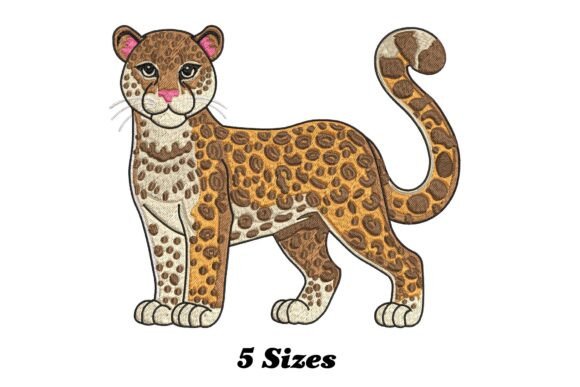
As an experienced embroidery designer who has spent years refining digital files for commercial use, I often evaluate new assets before recommending them to clients. Today, I am reviewing a design titled Leopard, which falls under the Wild Animals category. The product description promises to enhance fabrics with a dash of character, positioning itself as trendy and ideal for t-shirts, towels, or home decor. While the brief mentions adding a cheerful and artistic touch, my focus is strictly on how this machine embroidery design performs in real-world business applications like branded patches, staff uniforms, and custom apparel.
First Impressions: Personality and Brand Fit
The title "Leopard" immediately sets a specific tone. In the world of visual identity, animal motifs often signal boldness, playfulness, or a connection to nature. When I first look at the concept behind Leopard, it feels energetic and modern rather than rustic or overly formal. For a small business owner looking to differentiate their brand, this design offers a distinct personality. It suggests a friendly yet confident vibe, making it particularly suitable for creative studios, boutique shops, bakeries, or pet brands that want to project an approachable image.
However, the term "trendy" in the description requires careful interpretation. Trends can fade quickly, so using a design like Leopard for long-term branding requires ensuring the aesthetic remains timeless enough for your specific niche. If you are running a high-end luxury brand, this might feel too casual. Conversely, if you are selling handmade products, craft business assets, or creating merchandise for Etsy sellers, the "cheerful and artistic" nature of this design aligns perfectly with the expectation of unique, handcrafted goods.
Real-World Applications for Small Business Merch
When evaluating Leopard for actual production, its versatility becomes apparent. This digital embroidery file is not just a decorative element; it can serve as a core component of your visual identity across various mediums. Imagine a local café wanting to upgrade their staff uniforms. Placing the Leopard design as a chest logo accent on work shirts or apron embroidery adds a pop of color that customers will instantly recognize.
For businesses focused on physical goods, such as florists or bakery owners, this design works exceptionally well as a branded patch. A sturdy embroidered patch featuring Leopard can be sewn onto tote bag designs, canvas bags, or even product packaging accents. It transforms a standard tote into a walking advertisement. Similarly, for cap embroidery projects, the design could serve as a focal point on the front panel, provided the stitch density is manageable for the curved surface of the hat.
I also see potential for this design in customer gift programs. Handmade product labels often need a signature element. Using Leopard on a small tag attached to a finished product elevates the perceived value and shows attention to detail. Whether you are creating event merch for a festival or designing custom apparel for a corporate team, this wild animal motif provides a cohesive thread (pun intended) that ties your visual presentation together.
Strategic Placement and Visual Impact
The placement of the design significantly influences how customers perceive your brand. On a tote bag, a centered Leopard design acts as a statement piece. On a uniform, a smaller version serves as a subtle nod to company culture. When used on home decor items like towels, as mentioned in the product description, it adds a layer of warmth and personality to the final product. The key is consistency. If you use Leopard on your aprons, ensure the same thread colors and sizing appear on your caps and promotional materials to build strong brand recognition.
Critical Considerations for Commercial Use
While the potential is high, an experienced designer must always warn about the limitations of specific embroidery files. Not every design translates well to every fabric or application. Before committing to a bulk order, you must consider where the design should be used carefully.
Size Constraints: If you plan to create small patches or use the design on tiny lettering areas, you must verify the level of detail. Intricate outlines in a wild animal design can become muddy when reduced in size. If the stitches are too close together, they may bleed into one another, ruining the definition of the leopard spots.
Fabric and Surface Challenges: Curved surfaces like cap fronts require a design that follows the contour without excessive puckering. High stitch density designs can cause the fabric to pucker around the hoop, especially on lightweight materials. Furthermore, textured fabrics can hide the details of the embroidery, making the design look flat or indistinct. Dark uniforms present another challenge; you must ensure there is sufficient thread color contrast so the design pops against the background.
Durability: Items that need frequent washing, such as work shirts or aprons, demand robust stitching. If the design relies on loose satin stitches or fine details, they may fray over time. Always inspect the spacing and confirm the stability of the design before putting it on items that will undergo heavy laundering.
Practical Designer Notes for Production
To ensure the best results with the Leopard machine embroidery design, I recommend following a strict testing protocol. First, test the design in black and white. This removes the distraction of thread colors and allows you to judge the stitch structure and density objectively. Check if the design holds up at your intended small patch size. If the lines are too thin, you may need to adjust the digitization or choose a different asset.
Review your thread colors carefully. The description mentions a "cheerful" touch, but you must select threads that complement your brand palette while maintaining visibility. Inspect the spacing between elements to ensure there is no crowding. Confirm your hoop size matches the design dimensions to avoid unnecessary trimming or distortion.
Testing on real fabric is non-negotiable. Do not rely solely on a printable mockup for the final decision, although a mockup is excellent for client approval. Create a sample on the actual material you intend to sell, using the proper stabilizer to support the fabric texture. Compare the finished product beside other design assets in your library to ensure visual consistency. Finally, and most importantly, confirm the commercial licensing terms before using this digital embroidery file for any business revenue-generating activities.
Final Thoughts on Brand Value
Using a design like Leopard can significantly impact your brand identity. A well-executed embroidery design signals professionalism and care, which builds customer trust. When a buyer sees a high-quality embroidered patch or a crisp logo on a tote bag, they associate that quality with the entire business. It enhances the handmade presentation and increases buyer engagement by making the product feel more personal and valuable.
Ultimately, Leopard offers a versatile option for small business merch and custom apparel. By understanding its strengths and respecting its technical limitations, you can leverage this design to create memorable branded products. Whether you are decorating caps, aprons, or home decor, taking the time to review the stitch density, fabric choice, and licensing ensures that your investment pays off in the form of a polished, professional finished product.