Floral Raccoon: A Designer’s Review for Real Projects
When I scout new designs for my studio, I am not just looking for something that looks cute in a thumbnail. I am looking for execution. I need to know how it will hold up on a busy Saturday morning at a craft fair or if it will translate well into a high-end boutique listing. Recently, I pulled Floral Raccoon from the Wild Animals category to evaluate its potential for real-world application. As an experienced designer and reviewer, I have stitched through countless files, and this one caught my eye for its specific blend of whimsy and structural clarity.
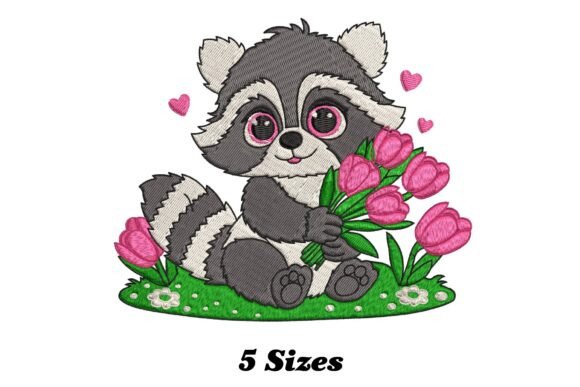
This machine embroidery design is marketed as adding a "dash of charm," but let us look past the marketing copy and examine the actual utility. The core concept—a raccoon integrated with floral elements—is a strong visual hook. It bridges the gap between rustic, nature-inspired aesthetics and playful, modern character design. For Etsy sellers, small shop product creators, and craft business owners, this duality is valuable. It appeals to two distinct buyer psychologies: those who love animals and those who appreciate botanical decor.
First Impressions and Visual Personality
The first thing you notice about Floral Raccoon is its balance. In embroidery, especially within the Embroidery file formats often used for these types of designs, maintaining detail without creating a heavy, stiff fabric is a constant challenge. This design appears to utilize a mix of satin stitch for outlines and definition, paired with fill stitch for the softer, organic shapes of the flowers and the raccoon’s fur texture. The running stitch details, likely used for whiskers or fine leaf veins, add a necessary layer of delicacy that prevents the piece from looking too blocky.
Mood-wise, the design feels approachable. It is not aggressive or overly complex. It creates a sense of warmth and nostalgia. When I visualize this on a finished product, it does not scream for attention; instead, it invites a closer look. This subtlety is crucial for commercial embroidery projects where the branding needs to be professional yet friendly. It works exceptionally well for personalized gifts, where the recipient wants something unique but not overwhelming.
Real-World Application Scenarios
To truly judge a design, you must imagine it in context. Let us walk through a few practical scenarios where Floral Raccoon would shine.
- The Custom Tote Bag Design: Imagine a sturdy canvas tote bag intended for a farmer’s market vendor. Placing Floral Raccoon on the front center or slightly off-center adds a touch of personality to what could otherwise be a generic promotional item. The floral elements soften the ruggedness of the canvas, making it appealing to a broader demographic, including young parents or students.
- Sweatshirt Embroidery and Apparel: For fall or winter collections, this design fits perfectly on heavyweight cotton blends. The raccoon theme pairs naturally with autumnal color palettes—mustard yellows, deep oranges, and forest greens. On a custom apparel item like a crewneck sweatshirt, the design provides a focal point that elevates the garment from basic merchandise to a statement piece. It suggests a lifestyle brand that values nature and playfulness.
- Baby Embroidery and Nursery Decor: One of the most profitable niches in handmade goods is baby items. Floral Raccoon translates beautifully to onesies, burp cloths, and crib sheets. The soft curves of the flowers mitigate any "wild" aspects of the animal, making it safe and inviting for nursery settings. Parents are willing to pay a premium for personalized gift items that feel curated and high-quality.
- Kitchen and Home Textiles: Tea towels and aprons are staple items for craft business inventory. A raccoon motif on a kitchen towel might seem unusual, but when softened by florals, it becomes charming and conversation-starting. It breaks the mold of traditional farmhouse designs while still fitting the aesthetic. It adds a whimsical touch wherever it is placed, whether on a pillow cover or a kitchen towel.
Strategic Considerations and Potential Pitfalls
No design is perfect for every surface. As a reviewer, I must highlight where Floral Raccoon requires careful handling. The integration of floral and animal elements means there is a moderate level of detail. If you attempt to downsize this design significantly, you risk losing the integrity of the image. Small hoop sizes may result in muddy stitching where the thread colors blend together, particularly if the contrast between the raccoon’s dark fur and the lighter flower petals is not sharp enough.
Fabric choice is equally critical. While this design looks great on stable cottons and linens, it can struggle on highly textured fabrics like bouclé or very thin, sheer materials. On stretchy knits, such as lightweight t-shirts, the density of the stitches might cause puckering if the correct stabilizer is not used. Always test on scrap fabric first to ensure the tension holds. Additionally, on curved surfaces like caps or hats, the flat layout of the design may distort if not carefully hooped and padded.
Another area of caution is the background fabric color. Because the design likely relies on both light and dark threads to create depth, it may lose impact on mid-tone fabrics. Dark fabrics require bright, contrasting thread colors to make the details pop, while light fabrics allow for more subtle shading. Testing your embroidery project on black and white mockups before committing to production can save you from costly mistakes.
Designer Notes for Execution
For those planning to use Floral Raccoon in their own workflows, here are some practical steps to ensure a professional finish:
- Stabilizer Selection: Use a cut-away stabilizer for garments that will be worn frequently and washed often. For home decor items like pillows, tear-away may suffice depending on the fabric weight, but cut-away offers superior longevity.
- Thread Color Contrast: Pay close attention to the thread colors provided in the file. If you are substituting threads, ensure the tonal range matches the original intent. The transition from the raccoon’s mask to the surrounding flowers should be distinct.
- Digital Previewing: Before stitching, import the digital embroidery file into your machine’s software and zoom in. Check the stitch density in the denser areas. Are there too many overlapping passes? This can lead to needle breakage or thread jams.
- Licensing and Commercial Use: If you are an Etsy seller or running a small shop product line, verify the licensing terms. Some design assets are for personal use only. Confirm whether you are allowed to sell the finished product. Clear licensing protects your business and builds trust with your customers.
- Mockup Presentation: When listing your products online, use realistic printable mockups. Show the embroidered patch or design on different garments. Help your customer visualize the finished product in their home or wardrobe. High-quality visuals drive engagement and sales.
Final Verdict
Floral Raccoon is a versatile and charming addition to any embroidery project library. It succeeds because it balances character with elegance. It is not just a picture of an animal; it is a styled composition that respects the medium of embroidery. For designers looking to expand their catalog with wild animals themes that have broad appeal, this design offers a solid foundation.
It is particularly well-suited for holiday embroidery campaigns, spring collections, and year-round gift markets. By paying attention to fabric choices, stabilization, and thread selection, you can transform this digital file into a tangible product that delights customers. Whether you are creating a single personalized gift for a friend or building a brand identity for a craft business, Floral Raccoon provides the visual anchor needed to make your work stand out. It is a reminder that sometimes, the best designs are the ones that bring a smile and a sense of wonder to everyday objects.