Sloth Mode On: A Designer’s Review for Small Business Merch
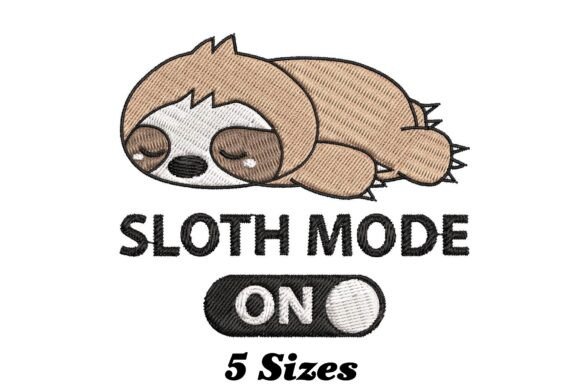
As an embroidery designer who has spent years translating graphics into thread, I approach every new machine embroidery design with a critical eye. We are not just stitching shapes; we are building brand assets that will live on customer garments, last through countless washes, and communicate your company’s personality without saying a word. Today, I am reviewing the "Sloth Mode on" design, categorized under Animal Quotes in the Embroidery niche. This piece promises to add a touch of whimsy charm to fabrics, but does it hold up as a viable asset for small business merch, branded patches, and professional uniforms? Let’s break down its potential from a production and branding perspective.
First Impressions: Whimsy Meets Professionalism
The title "Sloth Mode on" immediately signals a relaxed, playful tone. In the world of branding, this is a powerful tool for businesses that want to appear approachable and human-centric. When you look at the description—embellishing fabrics with lovely whimsy—you can infer that the visual style likely leans towards soft curves and perhaps a bit of rustic or handmade character rather than sharp, corporate rigidity. For a creative studio, a boutique bakery, or a pet brand, this aesthetic aligns perfectly with a warm, inviting brand identity.
However, from a designer’s standpoint, "whimsy" can sometimes mask technical pitfalls. The challenge lies in ensuring that the playful nature of the sloth motif does not compromise legibility or durability. Does the design feel premium? If executed well, yes. A well-stitched sloth design can elevate a plain tote bag or apron from a generic item to a memorable piece of custom apparel. It suggests that the brand cares about details and enjoys a bit of fun, which resonates deeply with modern consumers who value authenticity and personality in their purchases.
Real-World Applications for Small Businesses
Where does "Sloth Mode on" truly shine in a commercial setting? Its versatility makes it an excellent candidate for various applications, provided the placement is strategic.
- Embroidered Patches: One of the strongest use cases for this design is as a detachable patch. Imagine a local café offering these patches to staff or selling them as collectible items. Patches allow for high visibility and can be easily applied to denim jackets, backpacks, or hats, extending the life of your brand identity beyond the initial sale.
- Apron Embroidery: For bakeries, florists, or craft workshops, aprons are essential uniform pieces. Placing "Sloth Mode on" on the chest pocket or lower hem adds a subtle nod to the team’s relaxed confidence. It humanizes the service interaction, making customers feel more at ease.
- Tote Bag Design: Tote bags are walking billboards. A sloth design centered on a canvas tote offers a balance of art and utility. Because sloths are associated with hanging and holding on, the imagery pairs naturally with the function of a tote bag. This creates a cohesive narrative between the product and the graphic.
- Cap Embroidery: For outdoor brands or casual wear labels, a smaller version of the design on the front panel of a cap works well. It captures attention quickly and adds a unique flair to standard headwear.
- Product Packaging Accents: Beyond apparel, consider stitching small accents onto hang tags or fabric labels attached to your products. This level of detail signals quality and reinforces the handmade product ethos that many Etsy sellers and independent creators strive for.
Strategic Considerations and Limitations
While the design is charming, there are specific scenarios where caution is required. As a designer, I always advise clients to think about the end-use environment before committing to a file.
Small patch sizes present a risk. If the original design contains fine text or intricate outlines, reducing it for a tiny patch can result in muddy stitching where details blend together. Always review spacing carefully when scaling down. Similarly, curved surfaces like the front of a baseball cap require careful hooping and stabilizer choice to prevent puckering, which can distort the whimsical lines of the sloth.
Fabric texture also plays a crucial role. On highly textured materials like heavy tweed or loose-weave burlap, the definition of the design may be lost. Conversely, dark uniforms might require a significant amount of underlay stitching to make lighter thread colors pop, potentially increasing the stitch count and production time. Furthermore, if the merchandise is intended for frequent industrial washing, ensure that the thread colors selected have high colorfastness to maintain the integrity of the finished product.
Impact on Brand Identity and Customer Trust
Incorporating "Sloth Mode on" into your merchandise does more than just decorate fabric; it communicates values. It tells your customer that your brand doesn’t take itself too seriously, yet remains dedicated to quality. This balance fosters trust and recognition. When a customer sees a consistent use of such distinct design assets across your commercial embroidery projects—from staff shirts to gift items—they begin to associate that playful warmth with your overall service experience.
This visual consistency enhances product value. A custom embroidered logo or quote feels more substantial than a printed one, suggesting longevity and care. For Etsy branding or craft business assets, this perceived value allows for higher price points and stronger customer engagement, as buyers often connect emotionally with designs that reflect their own lifestyle aspirations, such as the desire for a slower, more mindful pace represented by the sloth.
Practical Notes for Production Success
To ensure "Sloth Mode on" performs optimally in your production line, follow these essential steps derived from industry best practices:
- Test in Black and White: Before investing in multiple thread spools, digitize or test the design in monochrome. This helps verify that the composition holds together without relying on color contrast to hide structural flaws.
- Check Small Scale Legibility: Simulate the design at its smallest intended size. Can the key features still be identified? If not, simplify the digitizing or adjust the placement.
- Review Thread Color Contrast: Ensure sufficient contrast between the thread and the base fabric. Low contrast can make the design disappear, especially on natural cottons or light grays.
- Inspect Spacing and Density: High stitch density can make a garment stiff and uncomfortable. Balance the fill stitches with adequate run stitches to maintain fabric drape, especially for wearable items like t-shirts.
- Confirm Hoop Size and Stabilizer: Match the hoop size to the design area to avoid unnecessary trimming or re-hooping. Use the appropriate stabilizer (cut-away for knits, tear-away for wovens) to support the fabric during stitching.
- Create a Printable Mockup: Provide clients with a realistic mockup for approval. This manages expectations regarding how the digital embroidery file translates to physical reality.
- Verify Commercial Licensing: Most importantly, confirm that you have the right to use this design for commercial purposes. Check the terms associated with the purchase to ensure you are protected when selling custom apparel or branded goods.
In conclusion, "Sloth Mode on" is a versatile and engaging addition to any embroiderer’s library, particularly for those targeting markets that value humor, relaxation, and artisanal quality. By paying close attention to technical execution and strategic placement, small business owners can leverage this design to create memorable, high-value merchandise that strengthens their brand presence.