Charming Violet Flower: A Designer’s Review for Small Business Merch
As an experienced embroidery designer, I spend my days evaluating digital assets not just for their aesthetic appeal, but for their commercial viability. When a small business owner or Etsy seller asks me to review a design like Charming Violet Flower, they aren’t just looking for pretty flowers; they are looking for a reliable asset that will enhance their brand identity and withstand the rigors of production. This review focuses on how this specific machine embroidery design performs when applied to branded merchandise, from staff uniforms to high-end embroidered patches.
First Impressions: Playful Yet Professional
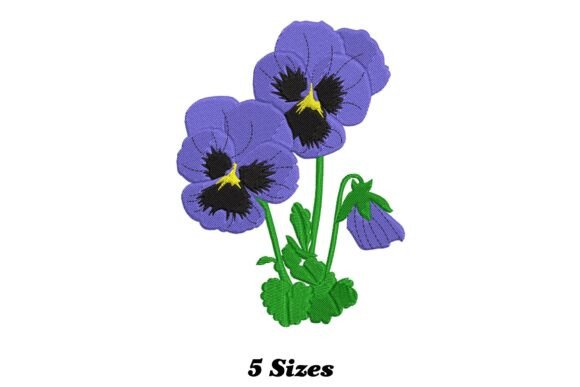
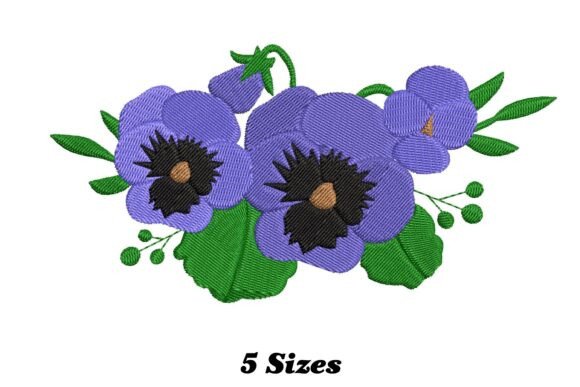
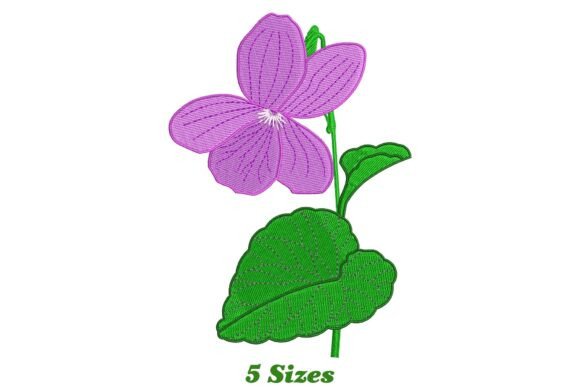
The title Charming Violet Flower suggests a balance between elegance and approachability. In the world of brand identity, few things strike the right chord as effectively as a floral motif that feels handmade yet polished. Based on the description—transforming fabrics with a touch of flair and adding a playful accent—this design likely leans toward the friendly and fanciful side of the spectrum.
For a boutique, a local café, or a creative studio, this visual personality is gold. It signals warmth and attention to detail. However, "playful" can sometimes border on "cheap" if the stitch work is too loose or the color palette is mismatched. The key here is execution. A well-executed embroidery file in violet tones can look premium, especially when paired with neutral backgrounds like cream, slate, or denim. If your goal is to create a handmade product feel without sacrificing professionalism, this design offers a strong foundation.
Real-World Applications for Small Business Merch
Let’s move beyond theory and look at where Charming Violet Flower shines in actual production scenarios. Here is how I would recommend deploying this design across various small business merch categories:
- Embroidered Patches: One of the most versatile uses for this design is as a standalone patch. Whether it is ironed onto a leather jacket for a rock-inspired fashion brand or sewn onto a canvas tote for a florist, a single flower motif works beautifully as a focal point. Ensure you add a adequate border or satin stitch around the edges if you plan to use it as a detachable patch.
- Apron Embroidery: For bakeries, cafes, and craft studios, custom aprons are essential. Placing Charming Violet Flower on the chest pocket or near the hemline adds a subtle branding element. Because the design is described as having a "fanciful accent," it pairs exceptionally well with solid-colored aprons (navy, black, or white), allowing the violet threads to pop without overwhelming the garment.
- Cap Embroidery: Caps are a staple for event merch and staff uniforms. A single flower design is often easier to digitize for curved surfaces than complex multi-logo arrangements. It fits neatly on the front panel of a baseball cap or the side of a bucket hat. Just be mindful of the curve; a dense flower might distort if the fabric is too stiff.
- Tote Bag Design: Canvas bags are perhaps the best billboard for your brand. Centering Charming Violet Flower on a sturdy cotton tote creates a classic, timeless look. It appeals to customers who value aesthetics and sustainability. This is particularly effective for bookstores, art galleries, and eco-friendly brands.
- Custom Apparel and Work Shirts: For uniformed staff in salons, spas, or boutiques, this design can serve as a logo accent. Instead of a large corporate logo, a smaller, charming flower can be placed over the heart pocket. It humanizes the brand and makes staff feel more connected to the artistic nature of the business.
Strategic Placement: Where to Use Caution
While Charming Violet Flower is versatile, not every surface is created equal. As a designer, I advise clients to avoid certain applications unless the digitization is flawless.
First, consider stitch density. If the design includes intricate inner details within the petals, testing it at a very small size is crucial. On tiny items like sleeve cuffs or miniature product tags, fine details can merge into a blurry mess. If the flower is meant to be a tiny accent, ensure the digitizer has simplified the shapes appropriately.
Second, evaluate the fabric texture. Embroidery on highly textured fabrics, such as heavy wool or rough burlap, can hide the nuance of the thread colors. Conversely, slippery fabrics like silk require a high-quality stabilizer to prevent puckering. Always test on the actual material you intend to use. Dark uniforms present another challenge; ensure there is sufficient contrast between the violet thread and the base fabric. Lighter violets may get lost on navy or black shirts unless a underlay or lighter backing thread is used.
Finally, think about durability. Items that undergo frequent washing, such as chef’s aprons or gym towels, need robust stitching. A delicate, lace-like version of the flower might snag or unravel. Opt for a design with tighter stitches and fewer loose ends for high-wear items.
Impact on Brand Identity and Customer Trust
Why does this matter? Because every stitch contributes to brand identity. A consistent, high-quality embroidered mark builds customer trust. When a customer sees a professionally stitched Charming Violet Flower on a tote bag or a cap, they perceive value. It suggests that the business cares about details.
This perception translates directly to buyer engagement. Handcrafted elements evoke an emotional response that printed graphics often cannot. It tells the story of craftsmanship. For Etsy sellers and independent creators, this differentiation is vital. It moves the product from a commodity to a keepsake. Furthermore, visual consistency across different products—using the same flower design on tags, packaging accents, and apparel—reinforces brand recognition. Customers start to associate that specific floral motif with your quality and style.
Practical Designer Notes for Production
Before you commit to a large production run of commercial embroidery projects, follow these essential steps to ensure success:
- Test in Black and White: Convert the design to grayscale first. This helps you see if the structure holds up without relying on color contrast. If the shape is unclear in black and white, it won’t look good in color either.
- Check Hoop Size and File Format: Verify that the hoop size of the digital embroidery file matches your equipment. Also, confirm the file format compatibility with your machine software.
- Review Thread Color Contrast: Select thread colors that complement your base fabric. Don’t assume the default colorway in the software will look good on your specific navy blue t-shirt. Swatch test different thread shades.
- Inspect Spacing and Density: Zoom in on the digitized file. Are the stitches too close together, risking fabric distortion? Is there enough space between the petals for the needle to penetrate cleanly?
- Create a Printable Mockup: Before stitching, create a printable mockup or a digital render to show clients or stakeholders. This saves time and money by catching errors early.
- Confirm Commercial Licensing: This is critical. Ensure you have the right to use Charming Violet Flower for resale. Some designs are for personal use only. Check the license terms explicitly before selling any finished goods.
- Use Proper Stabilizer: The right stabilizer can make or break an embroidery job. For stretchy knaps, use cut-away stabilizer. For woven cottons, tear-away might suffice. Test both to see which gives the cleanest finish.
Final Verdict
Charming Violet Flower is a strong candidate for businesses looking to add a touch of elegance and playfulness to their design assets. It is versatile enough for custom apparel, durable enough for daily wear, and attractive enough to drive sales. By following proper digitization checks and licensing protocols, you can turn this simple floral motif into a powerful tool for brand growth. Remember, the success of your finished product lies not just in the design itself, but in how meticulously you prepare and execute the embroidery process.