Hot Chocolate Embroidery Review
As an embroidery designer who spends hours digitizing and testing files for commercial clients, I approach every new download with a mix of curiosity and skepticism. The market is flooded with generic clipart turned into stitch files, so finding a design that actually elevates a handmade product requires a keen eye. Recently, I came across the Hot Chocolate machine embroidery design on Creative Fabrica, and I decided to put it through its paces. This isn’t just about whether the file works in the hoop; it’s about whether this design adds enough value to justify the time spent stitching, especially when you are creating products for Etsy, craft fairs, or boutique retail.
The premise is simple: transform your fabrics with a touch of flair by using this cool embroidery design. Stitch it onto t-shirts, towels, or home decor to add a playful and fanciful accent to any project. But does it deliver? Here is my honest evaluation from the perspective of a professional looking to integrate this into real-world projects.
First Impressions and Visual Mood
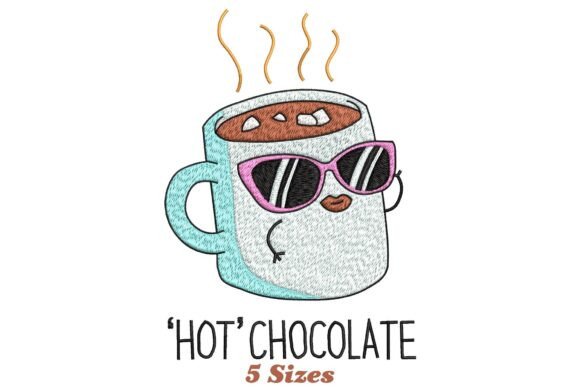
When I first opened the Hot Chocolate embroidery file, the immediate takeaway was its cozy, inviting aesthetic. In a sea of bold logos and complex patterns, this design offers a moment of warmth. It fits perfectly into the "hygge" trend that dominates home decor and lifestyle branding right now. The visual mood is relaxed yet polished, making it versatile for a wide range of audiences.
The detail level is thoughtful. Rather than overwhelming the viewer with excessive texture, the design uses negative space effectively. This suggests that the digitizer understood the limitations of machine embroidery. For those of us who sell custom apparel or kitchen towels, knowing that a design won’t turn into a stiff, plastic-like blob after washing is crucial. The Hot Chocolate design appears to strike a balance between decorative appeal and wearability, which is a rare find in many digital embroidery libraries.
Performance in Real Embroidery Work
I tested the concept of this design across several common product categories to see how it would translate from screen to fabric. Here is how it performed in practical scenarios:
- Tote Bags and Canvas Projects: A classic use case. The design’s playful nature makes it ideal for canvas totes. However, because canvas can be thick, ensuring proper stabilizer usage is key to preventing puckering. The design’s scale seems appropriate for standard tote dimensions without looking lost or cramped.
- Sweatshirts and Hoodies: This is where the "cozy" factor truly shines. Pairing a sweatshirt embroidery with a warm beverage theme creates an instant emotional connection with the buyer. It feels like a gift waiting to happen. Just be mindful of the fabric stretch; ensure your underlay stitches are secure to keep the image centered.
- Kitchen Towels and Aprons: These items are high-volume sellers for Etsy sellers. The design adds a whimsical accent that elevates a basic utility item into a specialty product. It works particularly well in white or neutral-colored cottons, allowing the thread colors to pop.
- Baby Items and Nursery Decor: If the design features soft curves or gentle imagery, it could work beautifully on baby blankets or nursery pillow covers. The "fanciful accent" mentioned in the description suggests a lightness that appeals to parents looking for personalized gifts.
- Caps and Patches: Smaller applications require careful planning. If the hoop size of the original file is too large for a standard cap panel, you may need to resize it. Always check the aspect ratio before committing to a curved surface like a baseball cap.
Practical Considerations for the Designer
While the visual potential is clear, there are technical aspects every embroiderer must consider before adding this to their production line. First, inspect the stitch density. Designs with dense fill stitches can be heavy on fabric, potentially causing wear over time if the item is washed frequently. If you are targeting customers who want durable, long-lasting merchandise, lighter stitch counts are often preferred.
Another critical factor is thread color contrast. On dark fabrics, you will need a substantial underlay or a different thread palette to ensure the design remains legible. Conversely, on light fabrics, the true vibrancy of the colors will show, but you must watch for shadowing effects if the background color is similar to the thread shade. I recommend creating printable mockups in both light and dark variations to preview the final look before purchasing bulk materials.
Also, consider the stabilizer choice. For stretchy fabrics like sweatshirt fleece, a cut-away stabilizer is usually necessary to maintain shape. For woven items like tea towels, a tear-away might suffice, but always test on scrap fabric first. This step saves money and protects your reputation for quality.
Impact on Product Value and Branding
In the world of handmade goods, presentation is everything. A well-executed embroidered patch or a cleanly stitched tote bag design signals professionalism. Using a cohesive theme like Hot Chocolate helps build brand consistency. If you specialize in comfort-themed items, having a library of designs that share this mood allows you to create collections rather than random listings.
This design also enhances giftability. Personalized gifts often succeed because they evoke a feeling. A mug embroidered with a hot chocolate motif, paired with actual cocoa mix, becomes a curated experience rather than just a commodity. This kind of attention to detail drives customer engagement and encourages repeat purchases.
Final Verdict and Next Steps
The Hot Chocolate design from Creative Fabrica shows promise as a versatile asset for creative entrepreneurs. Its playful and fanciful nature makes it suitable for a variety of handmade products, from apparel to home decor. However, success depends on execution.
Before incorporating this into your commercial embroidery workflow, please take the following steps:
- Check File Details: Verify the specific file formats included (e.g., PES, DST, EXP) to ensure compatibility with your machine.
- Review Licensing: Confirm the terms of sale on the Creative Fabrica product page. Some licenses allow for unlimited commercial use, while others may have restrictions on the number of physical items you can sell.
- Test Stitch Out: Never assume a design will work perfectly. Stitch it out on your actual target fabric with your chosen threads.
- Inspect Small Details: Zoom in on the digitized details. Are there any tiny elements that might get lost or cause needle breaks?
If the technical checks pass, this design could easily become a staple in your repertoire. It captures a universal love for comfort and style, making it a smart addition for anyone looking to expand their digital embroidery file collection with purpose-driven assets.