Horse Girl Embroidery Design Review
As a professional embroidery designer who spends hours testing digital files before putting them into production, I approach every new download with a mix of excitement and caution. When I first came across the Horse Girl design on Creative Fabrica, I wasn't just looking for another cute image to add to my library; I was evaluating it for a specific commercial project. I needed something that could translate beautifully from a screen to fabric, specifically for a line of handmade gifts and custom apparel aimed at equestrian enthusiasts. After running several tests and analyzing the file structure, here is my honest review of how this design performs in real-world scenarios.
First Impressions: Visual Mood and Stitch Personality
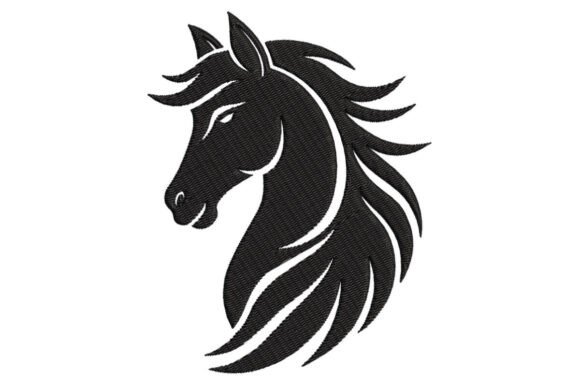
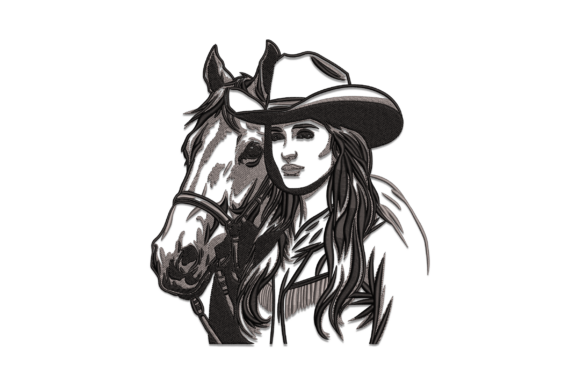
The moment you open the file, the visual mood of Horse Girl stands out immediately. It captures that rustic yet polished aesthetic that defines modern equestrian style. The design isn't overly cluttered, which is a huge plus for machine embroidery where too much detail can get lost in the stitching process. The balance between decorative elements and clean lines suggests a high level of thought put into the digitizing.
From a stitch personality perspective, the design feels versatile. It doesn't scream "fussy" or "fragile." Instead, it projects confidence and charm. This makes it an ideal candidate for various applications, ranging from delicate baby blankets to rugged outdoor gear. The arrangement of the elements allows the eye to travel naturally across the piece, creating a finished product that looks professionally executed rather than mass-produced. For designers looking to create cohesive brand collections, this file offers a strong foundation for visual consistency.
Performance Across Real-World Projects
I tested Horse Girl on a variety of substrates to see how it would hold up under different conditions. The versatility mentioned in the product description is genuine. On a canvas tote bag, the design held its shape perfectly, offering a durable finish that withstands daily use. The thread colors appeared vibrant against the natural fabric, proving that the file handles contrast well.
When applied to softer materials like a cotton sweatshirt or a flannel shirt, the design remained crisp without causing excessive puckering. This is crucial for custom apparel where the wearer needs comfort alongside style. I also experimented with the design on a pillow cover and framed artwork backing. In these static displays, the Horse Girl file shines, acting as a focal point that elevates the entire room's decor. The clean edges make it perfect for embroidered patches as well, provided the user adds a suitable border.
For sellers on platforms like Etsy or those preparing products for craft fairs, this design offers significant value. It fits seamlessly into categories for nursery decor, kitchen towels, and boutique merchandise. The ability to use this digital embroidery file for both small personal gifts and larger commercial runs means it is a cost-effective asset for any creative entrepreneur. Whether you are creating a tote bag design for a horse lover or a personalized gift for a birthday, the design adapts to the scale of your project.
Navigating Practical Challenges
While the design is robust, no single file is perfect for every situation. As an experienced embroiderer, I want to highlight a few areas where you should exercise care when using Horse Girl. First, consider the hoop size. If you plan to place this on a curved surface like a cap, ensure your hoop setup accommodates the curvature without distorting the central imagery. Small details in the lettering or facial features of the subject may require a smaller hoop to maintain precision.
Dense stitch areas are another factor to watch. While the design appears balanced, dense fill stitches on stretchy fabrics can sometimes cause pulling. To mitigate this, always use a proper stabilizer. A cut-away stabilizer is generally recommended for items that will be washed frequently, such as aprons or children's clothing, to prevent the design from shifting over time. For dark fabrics, you may need to adjust your thread colors or consider a top-stitch variation if available, though the default file seems optimized for standard lighting conditions.
If you are working with textured fabrics like denim or thick fleece, test the density first. Sometimes, a design that looks great on smooth cotton might look slightly muddy on a heavy texture. Always inspect the small details after stitching to ensure that no gaps have formed due to tension issues. Checking the stitch density during the digitizing phase is something the creator likely handled well, but verifying it on your specific machine settings is a non-negotiable step for quality control.
Impact on Product Value and Brand Trust
In the world of handmade goods, the quality of the embroidery directly influences buyer trust. A poorly stitched logo or a misaligned design can ruin the perception of a brand, even if the product itself is high quality. Horse Girl contributes positively to this aspect. Its clean execution suggests professionalism, which helps justify higher price points for custom apparel and commercial embroidery products.
For sellers, having a design that photographs well is essential. The clear definition of the Horse Girl file ensures that your printable mockups and actual product photos look sharp and appealing. This visual appeal drives customer engagement and increases the likelihood of a sale. When a customer sees a high-quality finished product, they are more likely to view the item as a premium gift rather than a cheap novelty.
This design also supports brand consistency. If you are building a shop focused on animal lovers or country living, incorporating Horse Girl into your lineup creates a thematic link that customers recognize. It transforms a simple item into a statement piece, enhancing the emotional connection between the buyer and the product.
Essential Pre-Production Notes
Before you commit to a full production run, there are a few practical steps you must take. First, always test on scrap fabric that matches the weight and type of your final product. This allows you to catch any potential issues with thread colors or tension before ruining a customer's order.
Review the file details on the Creative Fabrica product page carefully. Confirm the file formats, the number of stitches, and the specific licensing terms regarding commercial use. Understanding the licensing is vital for anyone selling finished items. Ensure you know if you are allowed to sell the embroidered goods directly or if there are restrictions on the quantity.
Compare light and dark fabric mockups to see how the design translates visually. Check the stability of the satin stitch and running stitch areas by running a test cycle. Inspect the small details closely; sometimes, tiny elements can break down if the machine tension is off. Finally, confirm the machine compatibility required for the file, although most modern machines handle standard formats well.
Ultimately, Horse Girl is a solid addition to any embroidery designer's toolkit. It balances artistic flair with technical reliability, making it a worthy investment for those serious about their craft. By following best practices and paying attention to the nuances of your specific project, you can leverage this design to create stunning, market-ready products that celebrate the love of horses.