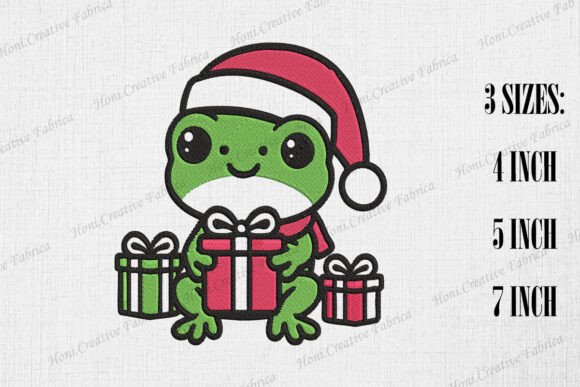
Cute Frog Hugging Christmas Gift Review
As an embroidery designer who has spent years turning digital concepts into tangible, stitched reality for small businesses, I approach every new embroidery file with a mix of creative excitement and critical scrutiny. When evaluating assets for commercial use, the goal is never just aesthetic appeal; it is about viability, durability, and brand alignment. Today, I am reviewing the Cute Frog Hugging Christmas Gift design to determine its potential value for small business merchandise, branded patches, and custom apparel lines.
This machine embroidery design arrives with a clear narrative: warmth, playfulness, and seasonal cheer. For creators in the handmade space, Etsy sellers, and boutique owners, understanding how a design translates from screen to fabric is crucial. Below is my professional assessment of how this specific asset performs in real-world production scenarios.
First Impressions and Visual Personality
The title Cute Frog Hugging Christmas Gift immediately sets a tone that is friendly and approachable. In the world of branding, personality is everything. This design does not scream corporate rigidity; instead, it whispers comfort and joy. Visually, it likely features soft curves and a central focal point—the hugging frogs—which suggests a high level of emotional engagement for the viewer.
From a design perspective, the "cute" factor is a powerful driver for consumer behavior. It works exceptionally well for brands that want to project a handmade, artisanal, or family-friendly image. However, we must ask: does it feel premium? A common pitfall in digital downloads is designs that look charming on a monitor but appear cluttered or muddy when stitched. For this design to succeed as a commercial embroidery asset, the spacing between elements must be generous enough to allow the thread to lay flat without excessive density that could cause puckering.
Real-World Business Applications
Where does this digital embroidery file shine in a business context? The versatility of the frog motif allows it to transcend simple decoration. Here is how I see it performing across various product categories:
- Embroidered Patches: This is perhaps the strongest application. The circular or contained nature of a hugging scene translates perfectly to patch formats. Small businesses can use these as detachable badges on jackets, bags, or hats, adding a layer of customizable identity to their products.
- Apron Embroidery: For bakeries, cafes, and florists, aprons are both uniform and marketing tools. Placing this design on the chest pocket of a canvas apron adds a touch of whimsy that customers remember. It humanizes the staff and makes the brand feel welcoming.
- Tote Bag Design: Eco-conscious brands often use tote bags as walking billboards. A subtle placement of this design on a natural cotton tote can elevate the item from a generic giveaway to a desirable handmade product. It pairs well with earthy tones and natural fabrics.
- Cap Embroidery: Front-center caps are a staple in merch creation. If the design’s width fits within standard cap panel constraints, it offers a unique alternative to traditional text-based logos. It signals fun and community, which is ideal for local events or craft fairs.
- Custom Apparel and Baby Onesies: The description mentions baby items, and rightfully so. The "gift" aspect resonates deeply with parents. Using this on onesies or toddler sweatshirts taps into the gift-giving market, allowing retailers to create cohesive holiday collections.
Strategic Brand Identity and Customer Trust
Choosing the right design assets directly impacts your brand identity. Consistency builds trust. If your brand voice is playful, supportive, and community-focused, a design like Cute Frog Hugging Christmas Gift reinforces those values visually. It tells the customer that you care about connection and happiness.
However, professionalism is key. A design that is too childish can undermine perceived quality if not executed correctly. The difference lies in the finish. High-quality stitching, proper tension, and clean finishing edges will make a cute design look premium. Conversely, loose threads or poor registration can make even the best design look cheap. By using this asset thoughtfully, you signal that you pay attention to detail, which enhances customer trust and increases the perceived value of your finished product.
Critical Considerations and Usage Warnings
While the concept is strong, there are technical limitations every designer must respect. Blindly applying any embroidery file to any surface leads to returns and dissatisfied clients. Here is where caution is required:
- Small Patch Sizes: If you intend to scale this down to a 2-inch patch, you must verify the stitch count. Fine details may disappear, leaving a blob of color. Always test at the intended final size.
- Curved Surfaces: Embroidering on curved surfaces like cap fronts or rounded mugs requires specialized hoops and techniques. Flat designs can distort when pulled tight around a curve. Ensure your equipment can handle the curvature before committing to bulk production.
- High Stitch Density: Designs with heavy fill stitches can become stiff and uncomfortable, especially on clothing worn against the skin. Check the density settings in your software. If the design is too dense, consider digitizing alternatives or using fewer colors to reduce weight.
- Fabric Texture and Dark Uniforms: On textured fabrics like heavy denim or terry cloth, fine lines may get lost. On dark uniforms, light-colored threads might require a backing stabilizer that shows through. Test contrast carefully.
- Frequent Washing: For items like work shirts or kitchen towels that undergo frequent laundering, the durability of the design is paramount. Loose outlines or unsupported satin stitches may unravel. Reinforce critical areas with appropriate underlay stitches.
Practical Designer Notes for Production
To ensure the highest quality output, I recommend following these steps before launching your merchandise line:
- Test in Black and White: Convert the design to monochrome to check contrast and balance. If it reads clearly in black and white, it will likely read well in color.
- Check Thread Color Contrast: Select thread colors that pop against your target fabric. Low contrast (e.g., light blue on white) often looks washed out and unprofessional.
- Inspect Spacing and Hoop Size: Confirm that the design fits comfortably within your standard hoop sizes to minimize re-hooping errors. Ensure there is adequate negative space around the edges.
- Test on Real Fabric: Never trust a digital preview alone. Stitch the design on the actual fabric you plan to sell. This reveals issues with shrinkage, puckering, or thread breakage.
- Use Proper Stabilizer: Match your stabilizer to your fabric weight. Heavy stabilizers are needed for stretchy knits, while lightweight tear-aways work for wovens. Incorrect stabilizer choice is a leading cause of failed embroidery projects.
- Create a Printable Mockup: Before producing physical samples, create a high-quality printable mockup for client approval or social media teasers. This saves time and resources.
- Confirm Commercial Licensing: Most importantly, verify the licensing terms. Ensure you have the right to sell products made with this machine embroidery design. Unauthorized commercial use can lead to legal issues.
In conclusion, Cute Frog Hugging Christmas Gift is a versatile and emotionally resonant asset for small business owners looking to add character to their merchandise. By respecting its technical limitations and applying it strategically to the right products, you can create memorable, high-quality goods that strengthen your brand and delight your customers.