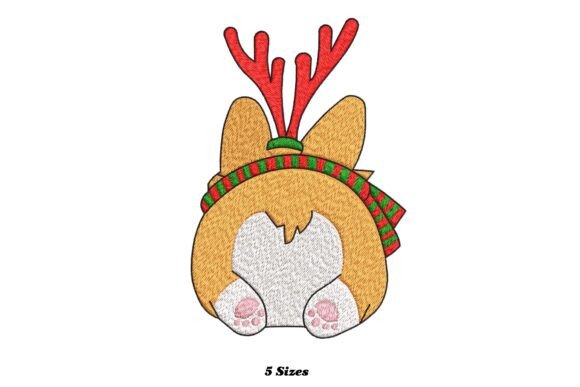
Corgi Dog with Scarf Christmas
As an embroidery designer who spends weekends hunched over a sewing machine and weekdays strategizing booth layouts for craft fairs, I am always on the hunt for designs that stop a passerby in their tracks. We all know the drill: you have three seconds to grab attention before a shopper walks past your table. That is why I took a close look at Corgi Dog with Scarf Christmas. This design promises to transform fabrics with a touch of flair, stitching onto t-shirts, towels, or home decor to add a playful and fanciful accent. But does it hold up under the harsh light of a convention center? Is it practical for batch production? Let’s break down this Dogs category entry from the perspective of a maker preparing for a busy handmade market season.
First Impressions and Visual Appeal
The title Corgi Dog with Scarf Christmas immediately sets a specific mood. It suggests warmth, humor, and festive cheer. Corgis are inherently photogenic and beloved by dog lovers, making them a staple in the embroidery world. When you imagine this as a machine embroidery design, you are likely looking at a character that balances cute with cozy. The scarf element adds a layer of texture and color opportunity that can elevate a simple garment into a statement piece.
For a craft fair product, the visual impact is crucial. A corgi wearing a scarf feels approachable and giftable. It taps into the "farmhouse" and "rustic" trends without being overly traditional. It feels modern enough for a young buyer but nostalgic enough for a grandparent. This versatility is exactly what we need for a diverse booth crowd. The design doesn’t just sit there; it invites interaction. Customers love pointing out details, and a well-executed scarf stitch can become a conversation starter right at your table.
Product Versatility for Market Sellers
One of the biggest challenges for Etsy sellers and boutique makers is creating a cohesive collection while offering variety. Corgi Dog with Scarf Christmas shines because it works across multiple product categories. Here is how it performs on key items:
- Tote Bags: A classic choice. Placing this design on a canvas tote bag creates an instant tote bag design that screams holiday shopping. The sturdy fabric provides a perfect backdrop for bold thread colors.
- Kitchen Towels: For the home cook, a tea towel featuring this corgi is a low-cost impulse buy. Tea towel embroidery allows for larger designs where the scarf detail can really pop. It adds personality to a functional item.
- Aprons: An apron embroidery project is a fantastic upsell. Imagine a white or denim apron with the corgi centered on the chest. It feels personal and handmade, justifying a higher price point.
- Hats and Caps: If the design file scales well, placing it on a beanie or a baseball cap creates a trendy winter accessory. However, curved surfaces require careful hooping techniques.
- Patches: Many buyers love iron-on or sew-on patches. This design could easily be digitized as an embroidered patch for jackets or backpacks, expanding your reach beyond just apparel.
- Pillow Covers: Home decor items like throw pillows offer a soft surface that highlights the stitch density and texture of the scarf yarn effect.
This adaptability means you aren’t limited to one niche. You can create a full line of handmade products that appeal to different budgets and needs, all tied together by the same charming motif.
Photography and Online Listings
In today’s digital marketplace, your photos do the selling before the customer ever touches the product. Corgi Dog with Scarf Christmas is highly photogenic. The contrast between the dog’s fur and the scarf’s pattern offers excellent opportunities for macro shots that highlight craftsmanship. When creating a printable mockup for your Etsy listing, ensure the lighting brings out the texture of the stitches. A flat lay on a rustic wooden table or styled with holiday props like pinecones and cinnamon sticks will enhance the festive vibe. Strong visuals increase click-through rates and help justify the value of a small shop product.
Production Practicality and Technical Notes
As a designer, I don’t just care if it looks good; I care if it sells profitably. Batch production is key to maximizing earnings at craft fairs. Here are some critical considerations for producing this design efficiently.
First, consider the stitch density. Designs with large solid areas of fill stitch can take a long time to embroider, eating into your profit margin. Check the digitization to see if the scarf area uses efficient satin stitches or textured fill patterns that mimic yarn. Efficient digitization means faster run times and lower thread consumption.
Second, evaluate the hoop size. Ensure the design fits comfortably within standard hoop dimensions so you aren’t constantly re-hooping, which slows down production. If the design is large, confirm that it works well on bigger items like blankets or large tote bags without requiring excessive trimming.
Third, think about thread colors. The scarf offers a chance to use variegated or contrasting threads to make the design stand out. Test various color combinations to see which ones photograph best and appeal to the widest audience. Neutral backgrounds with bright scarves often perform well, but don’t be afraid to experiment with seasonal palettes.
Quality Control and Material Selection
To ensure every finished product meets professional standards, follow these steps:
- Test on Scrap Fabric: Always run a test stitch-out on the exact fabric you plan to sell. Different materials react differently to tension and stabilizer.
- Check Thread Contrast: Make sure the thread colors pop against the fabric. Low-contrast designs can look muddy and cheap in person.
- Review Spacing: Ensure there is enough space between stitches to prevent puckering, especially on stretchy fabrics like jersey knits for t-shirts.
- Confirm Hoop Size: Verify that the design fits your hoop and that you have enough margin for secure hooping.
- Inspect Stitch Density: Look for any areas that might be too dense, causing needle breaks or fabric distortion.
- Use the Right Stabilizer: Heavy fabrics may need cut-away stabilizer, while lighter fabrics might do better with tear-away. Using the wrong stabilizer can ruin the drape of the final product.
- Create at Least One Real Mockup: Don’t rely solely on digital previews. A physical sample helps you spot issues with alignment or texture that screens miss.
- Compare Fabric Colors: Light fabrics show thread colors more accurately than dark ones. If using dark fabric, ensure the design has enough coverage.
- Confirm Commercial Licensing: Before selling any commercial embroidery items, double-check the license terms of the digital embroidery file. Some designers restrict commercial use, while others allow it with attribution or additional fees.
Final Verdict for Craft Fair Success
Corgi Dog with Scarf Christmas is a strong contender for your holiday inventory. It combines emotional appeal (cute dogs) with seasonal relevance (Christmas) and practical application (versatile products). For creative entrepreneurs looking to boost sales, this design offers a reliable way to create high-quality, desirable goods.
By focusing on quality execution, smart material choices, and compelling photography, you can turn this single design into a best-selling line. Whether you are displaying design assets on your website or showcasing physical samples at a local market, this corgi design is ready to win hearts—and wallets. Just remember to check those technical details first, produce with care, and let the charm of the design speak for itself.