Baby Cat Embroidery Design Review
Setting up for a weekend craft fair or preparing inventory for an Etsy seller storefront requires more than just having a machine that works; it requires selecting designs that stop people in their tracks. As an experienced embroidery designer, I look at every digital file with one question: will this sell? Today, I am reviewing the Baby Cat design, a piece categorized under Baby Animals and Embroidery that promises to be a versatile addition to any handmade product line. This review focuses on its practical application for craft fair products, boutique makers, and creative entrepreneurs looking to boost their sales.
First Impressions and Visual Appeal
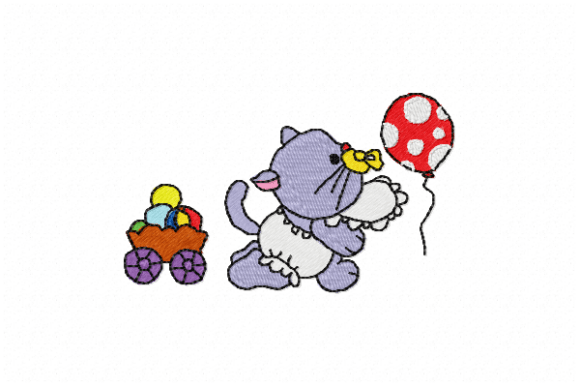
When you first pull up the Baby Cat design on your screen, the immediate reaction is one of softness and charm. In the crowded world of handmade goods, cuteness is a powerful currency, but it must be balanced with aesthetic quality. This design feels less like a cartoonish caricature and more like a gentle, decorative motif. It strikes a balance between modern minimalism and rustic warmth, making it incredibly adaptable.
The visual appeal lies in its simplicity. At a glance, it reads as premium rather than cheap. For a booth display, this matters immensely. Customers often judge the quality of a handmade product by the clarity and intentionality of the embroidery. The Baby Cat design avoids clutter, allowing the stitch work to shine without overwhelming the eye. This makes it an excellent candidate for a wide range of aesthetics, from farmhouse chic to contemporary nursery decor.
Product Versatility and Market Fit
The true test of a machine embroidery design is its versatility. Can it survive the transition from a digital file to a physical object on multiple substrates? Here is how Baby Cat performs across key product categories:
- Tote Bags and Market Bags: A classic choice for craft fairs. Placing the Baby Cat design on a canvas tote bag creates an instant impulse buy. It serves as a perfect tote bag design because it is small enough to be subtle yet distinct enough to be noticed. It appeals to parents, cat lovers, and anyone who appreciates cute accessories.
- Aprons and Tea Towels: Kitchen items are high-margin sellers. On a white or neutral linen tea towel, the design pops beautifully. For apron embroidery, placing it near the pocket adds a delightful personal touch. The design’s scale allows it to act as a charming accent without dominating the functional space of the garment.
- Caps and Headwear: Curved surfaces can be tricky, but if the design has clean lines, it translates well to dad hats or structured caps. Ensure the hoop size accommodates the curve of the hat panel. A small, centered placement works best here, offering a professional finish that looks good in photos.
- Patches and Pouches: If the design includes a clear border, it can easily be converted into an embroidered patch. These are highly sought after for backpacks and jackets. Alternatively, on a small fabric pouch or diaper bag, it becomes a focal point that screams "gift-ready."
- Pillow Covers: Home decor is a massive sector for commercial embroidery. A square pillow cover featuring the Baby Cat design offers a cozy, inviting look that fits perfectly in a baby shower gift basket or a child’s bedroom.
Photography and Online Listings
For those selling online, a printable mockup is essential before you even cut the thread. The Baby Cat design photographs exceptionally well because its soft features translate clearly through a camera lens. When creating listings for platforms like Etsy, ensure your lighting highlights the texture of the stitches. The design’s lack of overly complex background elements means it won’t get lost in busy backgrounds, allowing customers to focus on the craftsmanship.
Production Practicality and Efficiency
Time is money in the handmade business. A design that takes three hours to embroider for a $15 item is not profitable. While specific stitch counts vary by format, designs in this style typically offer a sweet spot between detail and speed. The Baby Cat design appears to have efficient fill areas, meaning it produces quickly without sacrificing quality.
This efficiency makes it ideal for batch production. You can set up your machine to run multiple hoops of aprons or tote bags in one go. Consistency is key for building a brand, and this design’s straightforward nature ensures that every finished product looks identical. For small shop product owners, this repeatability reduces stress and increases output during peak seasons like holidays or baby showers.
Technical Considerations and Careful Use Notes
Even the best designs require technical vigilance. Before committing to full-scale production, consider the following practical embroidery designer notes:
- Stitch Density: Check the stitch density carefully. If the design has dense satin stitches, ensure your stabilizer matches the fabric weight. Too little stabilizer can cause puckering, while too much can make the fabric stiff and unpleasant to the touch.
- Fabric Texture: Be cautious when embroidering on highly textured fabrics, such as heavy terry cloth or boucle. The needle may struggle to penetrate, or the design details may become obscured. Stick to smooth cottons, linens, or canvas for the best results.
- Thread Contrast: The success of the design often hinges on color choice. On dark fabrics, use bright or metallic threads to ensure visibility. On light fabrics, darker threads provide a striking contrast. Always test thread colors on scrap fabric to confirm they complement each other as intended.
- Small Details: Inspect the design for tiny details or small lettering. If these elements are smaller than 4mm, they may lose clarity when embroidered, especially on curved surfaces like caps. Simplify the design digitally if necessary to maintain legibility.
- Hoop Size: Confirm that the hoop size required for the design fits comfortably on your chosen product. Some designs might be too large for standard 4x4 hoops, requiring a larger frame or multi-hooping, which adds time and complexity.
Brand Consistency and Customer Engagement
Incorporating the Baby Cat design into your product line does more than just add variety; it enhances your brand identity. It signals to customers that you pay attention to detail and understand current trends in cute, homey decor. When customers see a cohesive collection of items—totes, aprons, and pillows—all featuring the same charming motif, it builds trust and encourages them to buy multiple items.
Furthermore, this design invites engagement. People love sharing photos of cute animals. Encourage customers to tag your shop when they post their new apron or tote bag. User-generated content acts as free marketing, expanding your reach organically. The emotional connection formed by a simple cat design can turn a one-time buyer into a loyal brand advocate.
Final Verdict
The Baby Cat embroidery design is a strong contender for any digital embroidery file library aimed at the handmade market. Its blend of aesthetic appeal, production efficiency, and product versatility makes it a smart investment for craft fair sellers and online artisans alike. By testing it thoroughly on various fabrics and paying close attention to technical details like stabilizer choice and thread contrast, you can create a line of finished products that stand out in both physical booths and digital storefronts.
Remember to check the specific embroidery file formats included with your purchase to ensure compatibility with your machine. Also, verify commercial licensing terms before mass-producing items for sale. With proper preparation, the Baby Cat design has the potential to become a bestseller in your collection, delighting customers and boosting your bottom line.